2011 VENICE BIENNALE ” Chun-te”
Transdisciplinary, Transgenerational, Transcultural
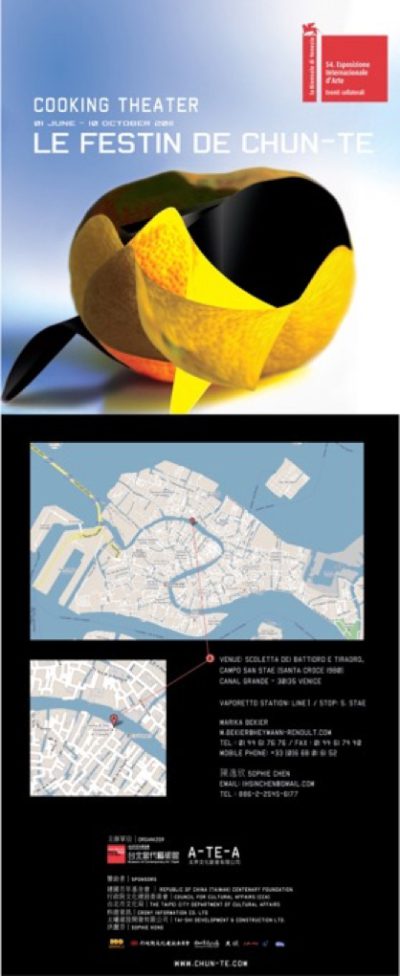
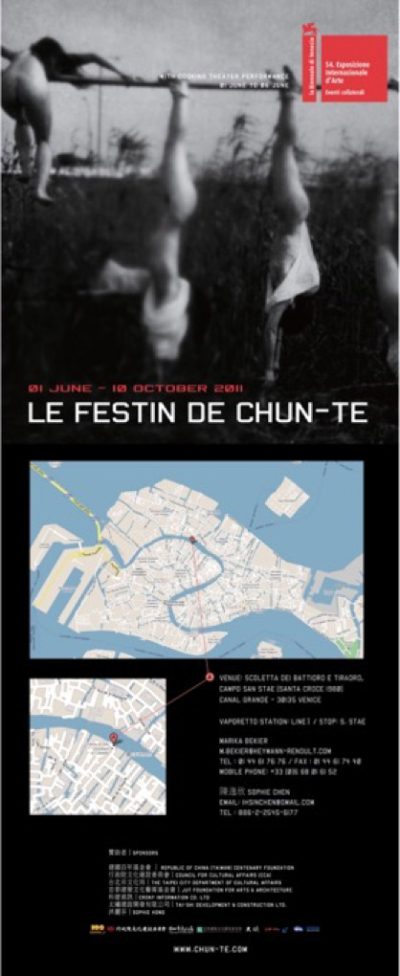
2011 Venice Biennale “Feast of Chun-Te”
Documentary: https://vimeo.com/342872853 Password: record
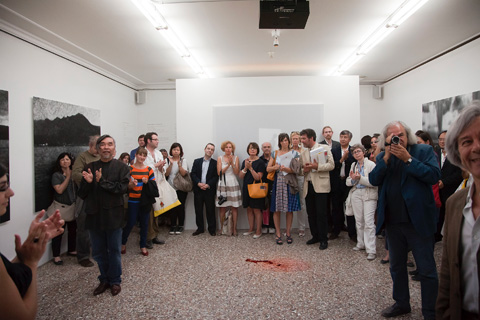
Feast of Chun-Te
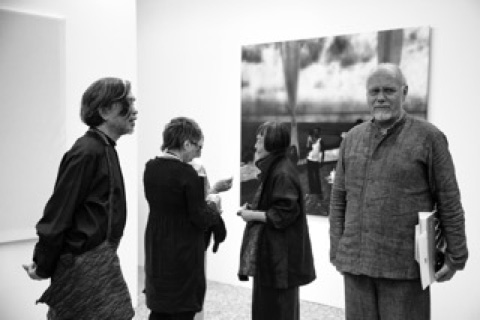
Marco Muller
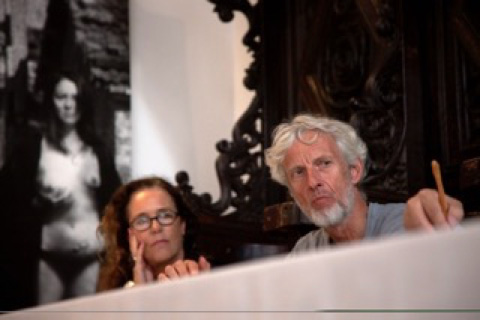
Mathieu Carrière
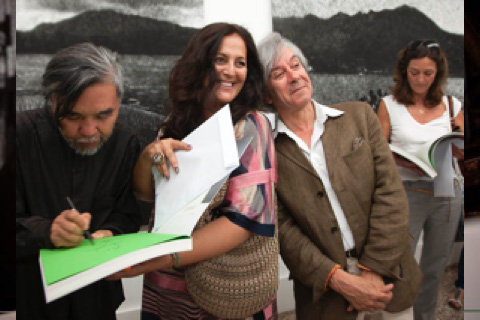
Angela Missoni (L2)
Selected by international press and institutions as one of the five most outstanding exhibitions of the year
Quote 1: Feast of Chun-Te feels like a ghostly drift from Taipei, navigating between gastronomy, primal ritual, and ghostly madness—performed with a theatricality that is as stunning as it is inexplicable.”
— Valérie Duponchelle, Le Figaro.
Quote 2: “Noir Feast in Venice: A staggering performance by Taiwan’s great culinary director and photographer, Hsieh Chun-Te—staged twice daily and among the most extraordinary acts in the Biennale’s history.”
— Vincent Noce, Libération
.
Media Report
-1.jpg "f01")
Valerie DUPONCHELLE
Eléments de recherche : LE FESTIN DU CHUN-TE : exposition de Hsieh Chun-TE, du 01/06 au 10/10/11, en parallèle de la 54ème Expositior
法文01_.jpg "f02")
Zoom sur une oeuvre (2/5) | 7 iuin 2011
Par Vincent Noce, envoyé spécial à Venise
Le grand cuisinier et photographe taïwanais, Hsieh Chun-Te, réalise deux fois par jour une des performances les plus étonnantes qu’ait jamais produites la Biennale.
“Zoom on a Work” – Libération (France)
Published June 6–10, 2011 | Venice Biennale Special Feature
By Vincent Noce, Special Correspondent in Venice
A five-part critical series highlighting the most powerful and thought-provoking works at the Venice Biennale.
Zoom on a Work (1/5) | June 6, 2011
The Cinematic Inspiration of Painter Jonathan Wateridge
By Vincent Noce, Special Correspondent in Venice
At Palazzo Grassi in Venice, the London-based artist, originally from Zambia, presents his large-format paintings inspired by the collapse of a California highway in 1928.
Zoom on a Work (2/5) | June 7, 2011
Noir Feast in Venice
By Vincent Noce, Special Correspondent in Venice
The great Taiwanese chef and photographer, Hsieh Chun-Te, performs twice a day one of the most astonishing live actions ever witnessed in the history of the Venice Biennale.
Zoom on a Work (3/5) | June 8, 2011
Does Death Hover Over Venice?
By Vincent Noce, Special Correspondent in Venice
The German Pavilion has been entrusted to Christoph Schlingensief, a politically engaged artist who passed away last year at the age of 49. The pavilion went on to win the Golden Lion for Best National Participation.
Zoom on a Work (4/5) | June 9, 2011
Venice: A Place of Peace and Resistance
By Vincent Noce, Special Correspondent in Venice
Israeli artist Sigalit Landau takes over the Israeli Pavilion at the Venice Biennale. A socially engaged artist, she envisions building a salt bridge over the Dead Sea to symbolically connect Israel and Palestine.
Zoom on a Work (5/5) | June 10, 2011
Venice on Screen
By Vincent Noce, Special Correspondent in Venice
American artist Christian Marclay, recipient of the Golden Lion, presents a 24-hour film composed of edited clips from countless movies—each excerpt synchronized to the actual time of day.
Zoom on a Work (2/5) | June 7, 2011
Noir Feast in Venice
By Vincent Noce, Special Correspondent in Venice
Originally published in Libération (France)
The great Taiwanese chef and photographer Hsieh Chun-Te performs, twice a day, one of the most astonishing acts ever produced in the history of the Venice Biennale.
If you’re visiting Venice in the coming months, take time to see the Palazzo Fortuny—named after a Catalan painter and decorator who left this little palazzo to the city. It is now a small museum, preserving not only his paintings but also the breathless accumulation of curtains, Oriental tapestries, and ceramics that once adorned the artist’s home and workshop. For the past six years, during each Biennale, Belgian antiques dealer Axel Vervoordt has turned the space into his personal cabinet of curiosities—a blend of personal passion and professional endeavor. Over time, the objects shift, the works rotate. This year, the exhibition circles around a kind of emptiness.
There’s always something charmingly chaotic in his displays, offering moments of true beauty—even if one might feel the formula is beginning to tire. The real current of madness, however, sweeps in from the side of the San Stae church, where a Taiwanese artist has taken up residence. The Museum of Contemporary Art in Taipei has given carte blanche to Hsieh Chun-Te—a culinary director and photographer of rare vision—who now stages, twice daily, one of the Biennale’s most staggering performances, despite its long tradition of excess. Dominique Païni, the French cinema historian who co-curated the project, remains visibly shaken. The artist even planted rice seedlings on site.
The Concept of the Concept
At the center of the installation, the artist serves a meal prepared on site—this is food as art. Thin slivers of bottarga under translucent slices of radish. A sphere of black sticky rice, subtly infused with chicken broth. We are clearly within “the concept of the concept.”
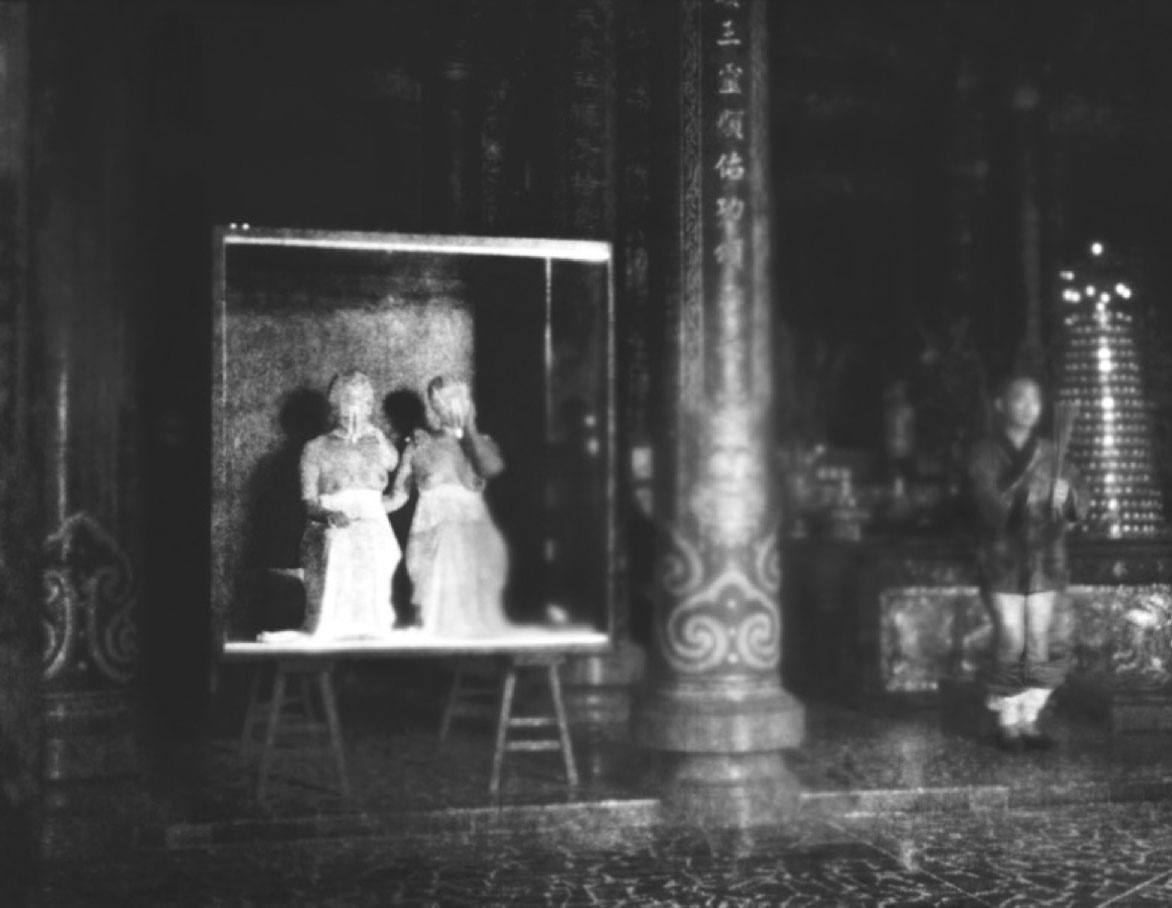
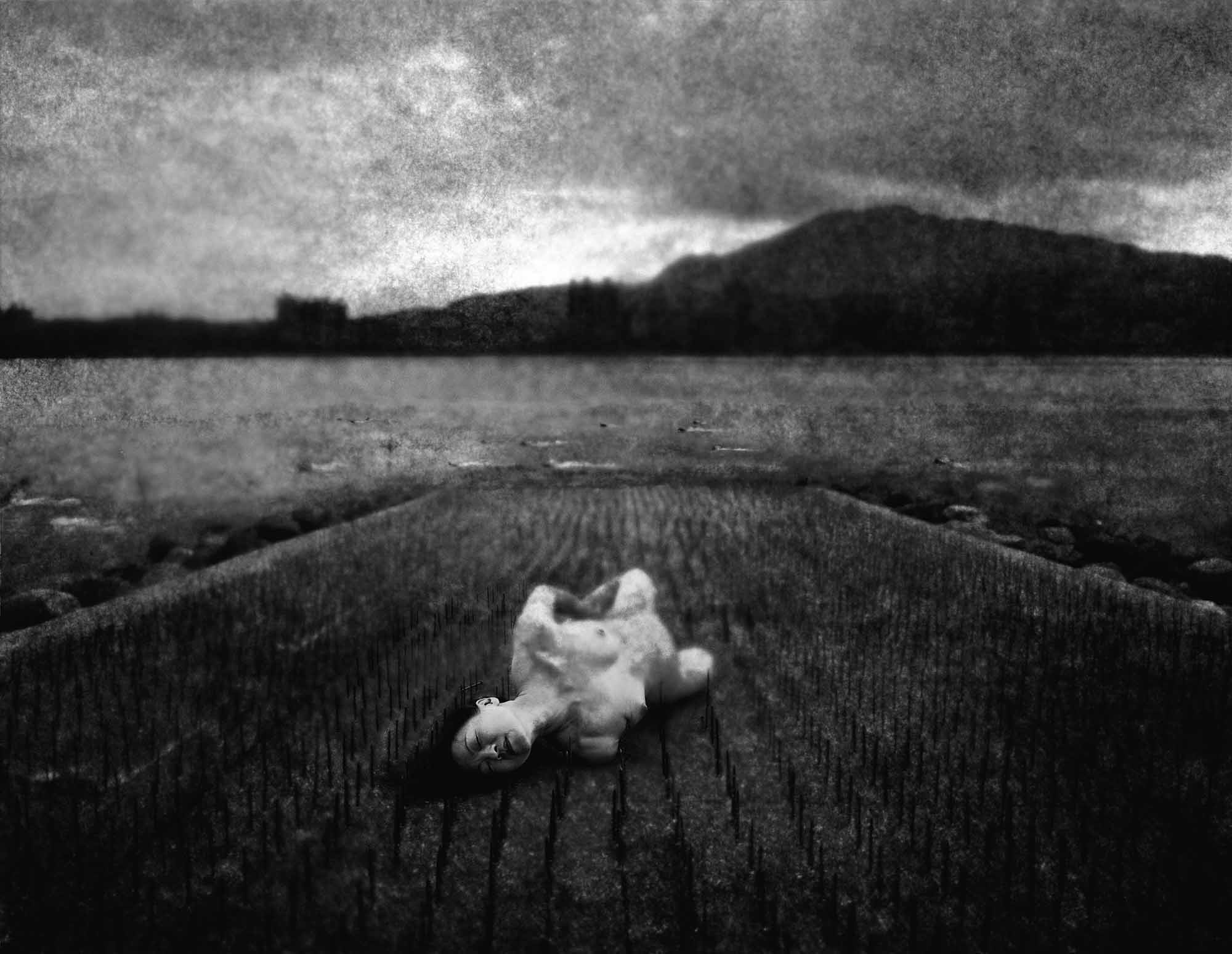
An 80-year-old shaman chants and recites her life. The daughter and granddaughter of shamans, she recalls being abducted as a child by a neighboring village to be sacrificed. Her community came to save her. The ritual was to culminate in her decapitation. On the ground, a young naked woman emerges slowly from a sheet soaked in blood.
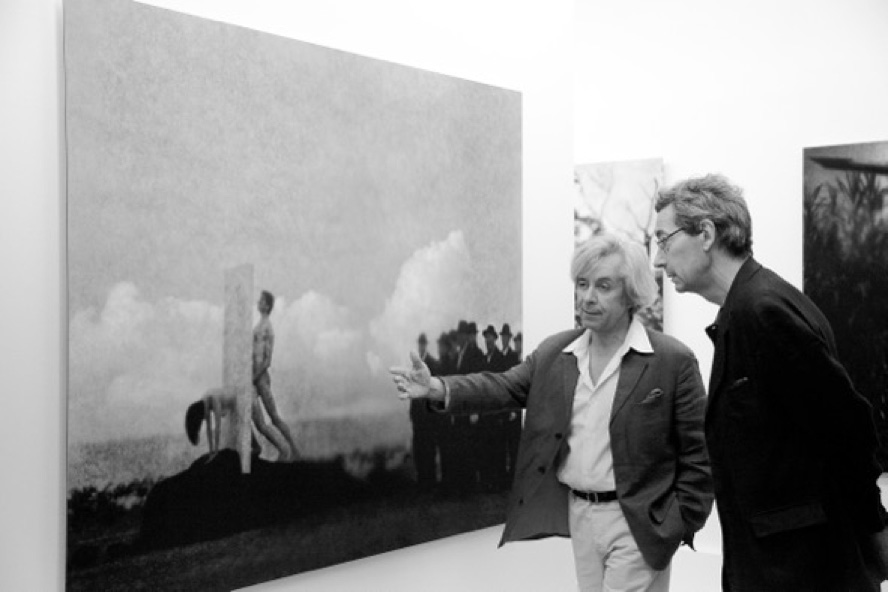
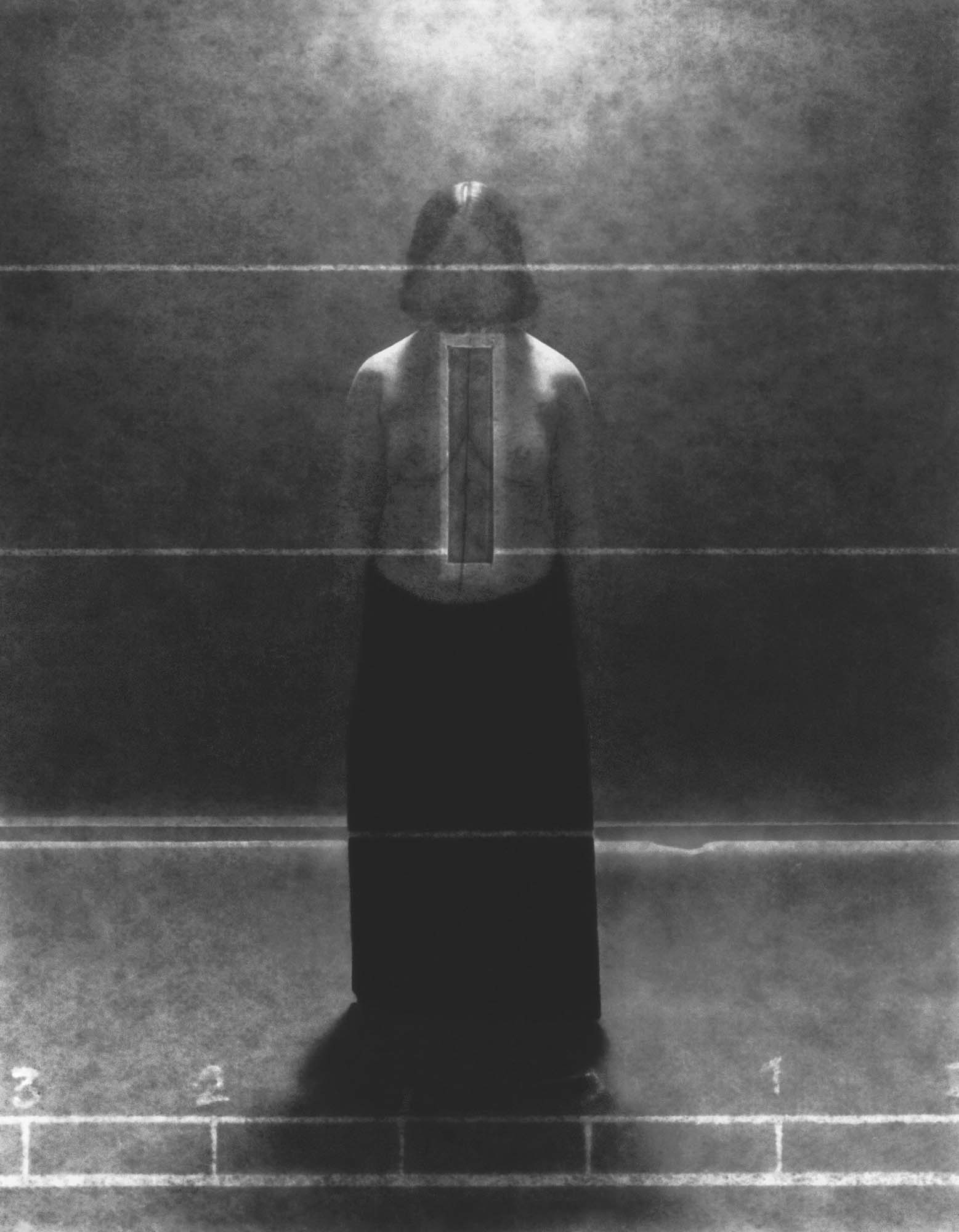
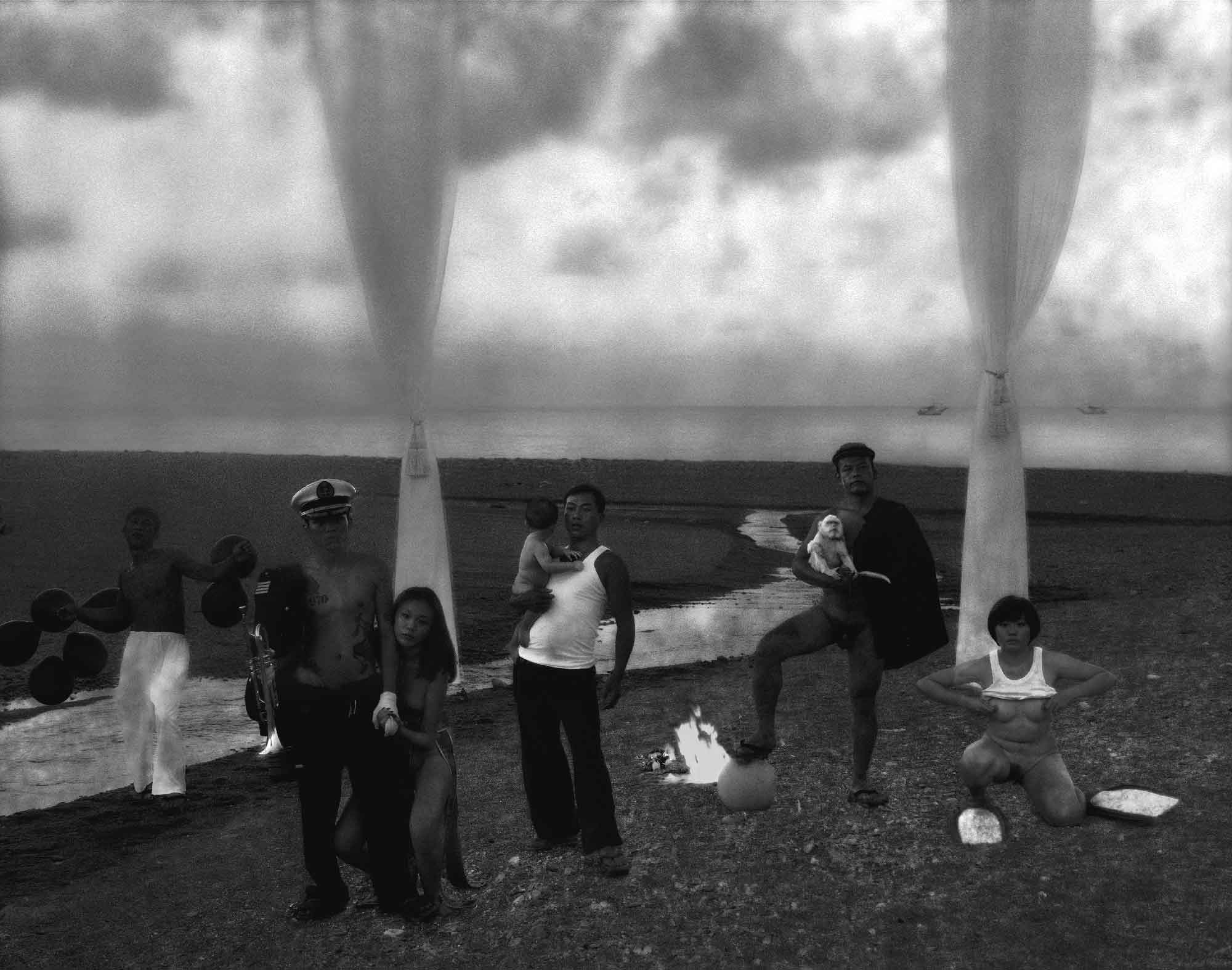
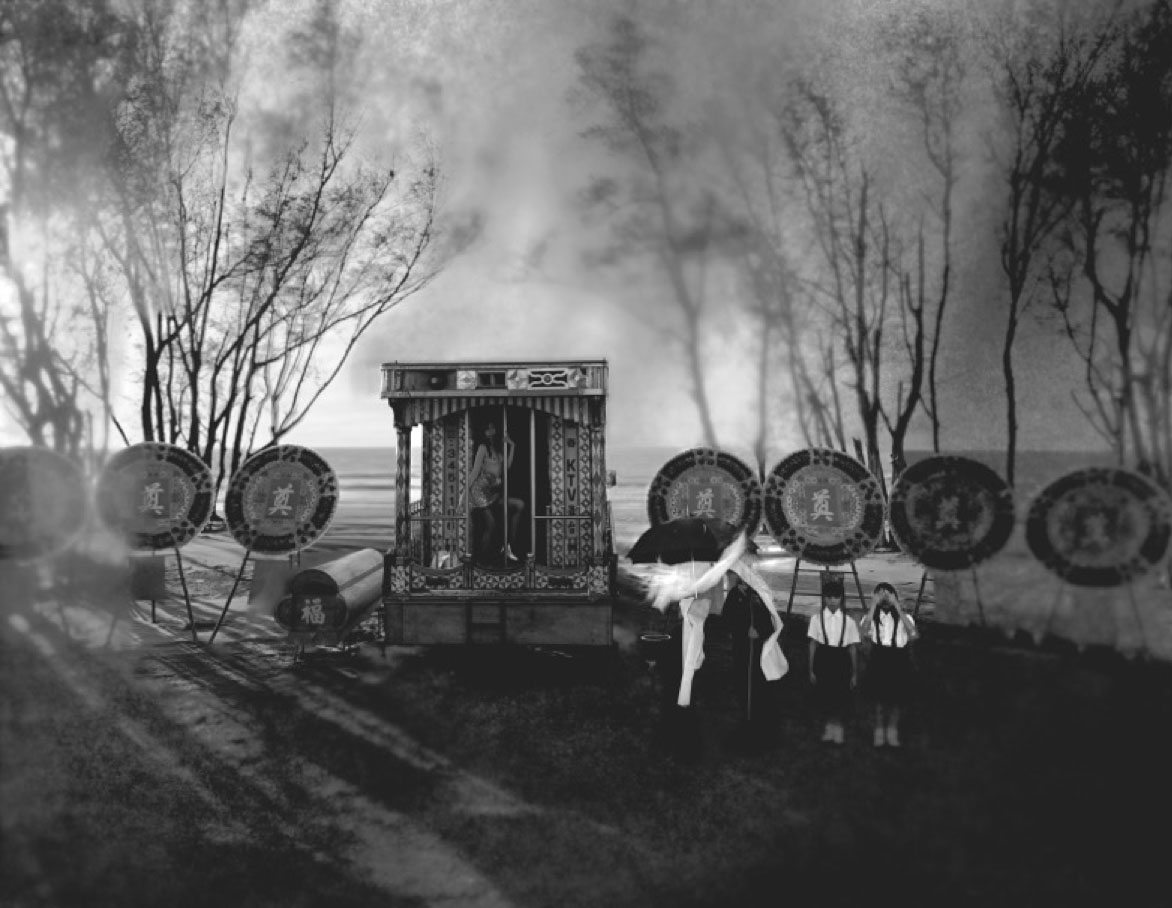
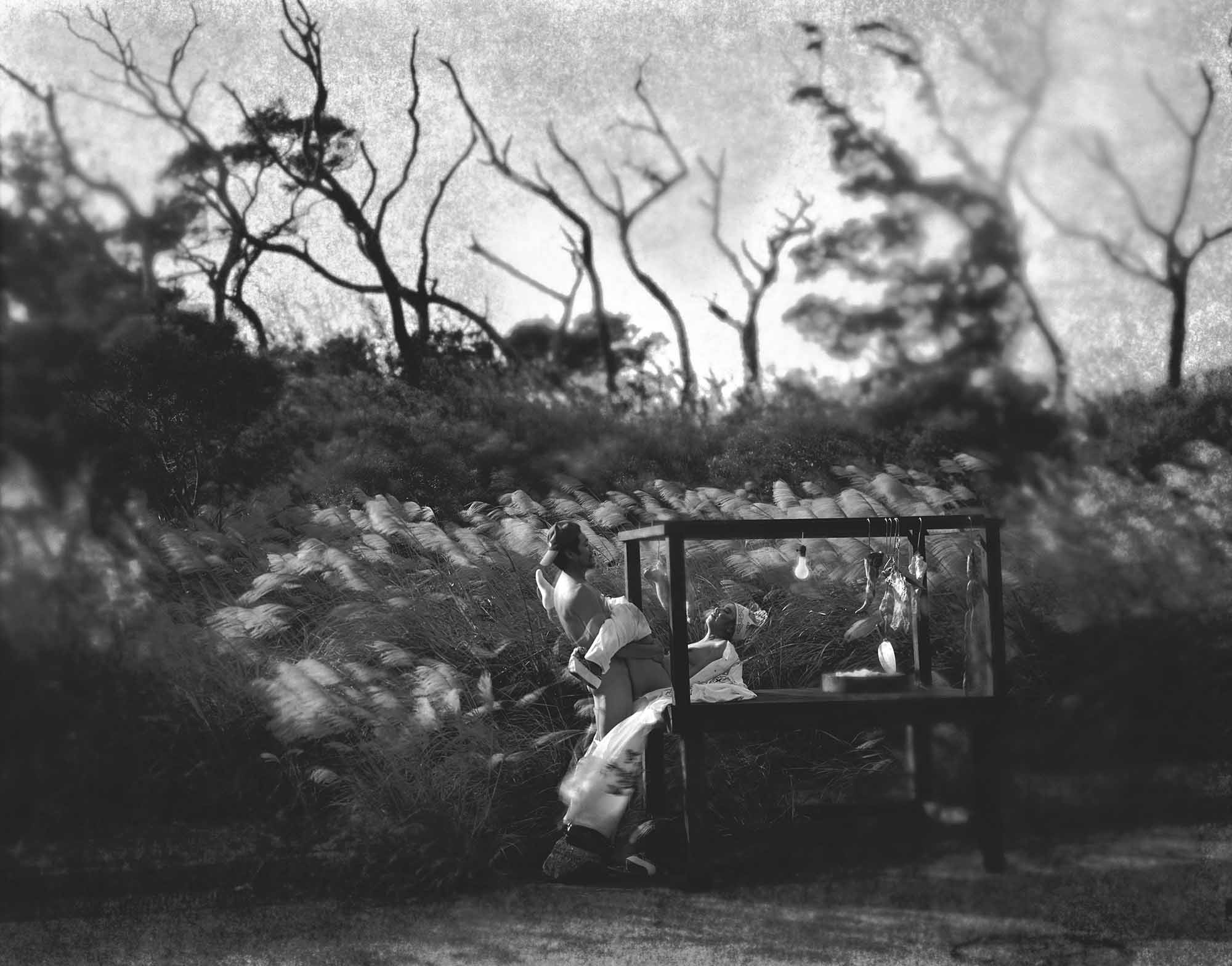
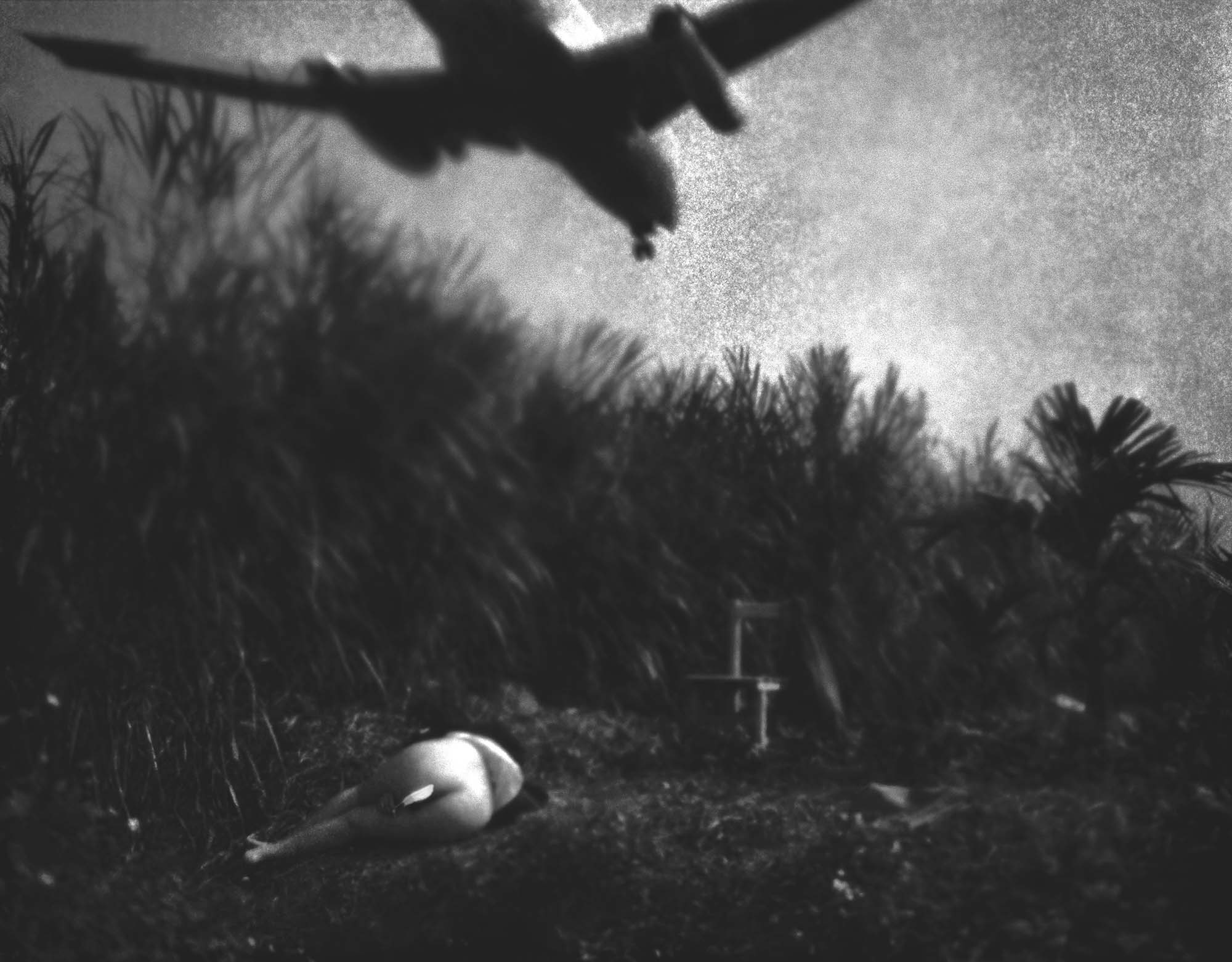
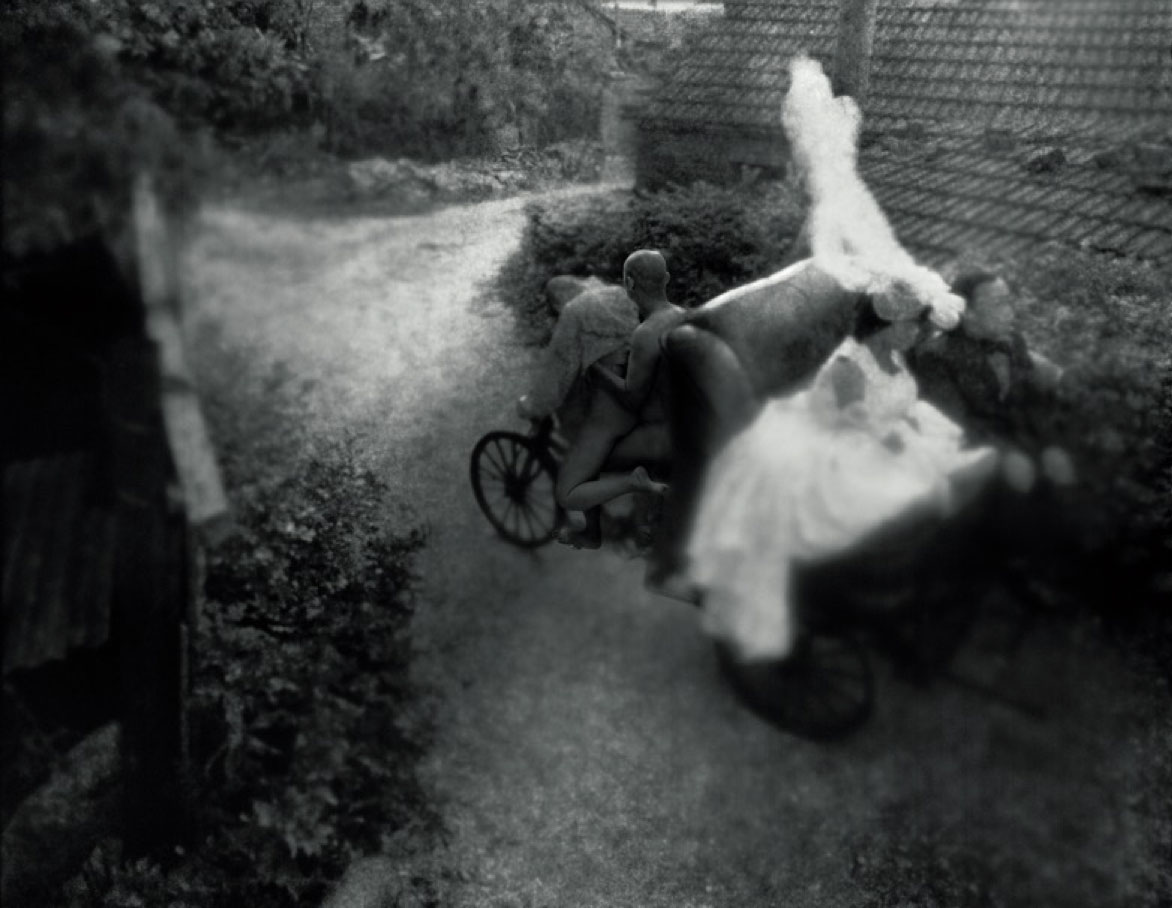
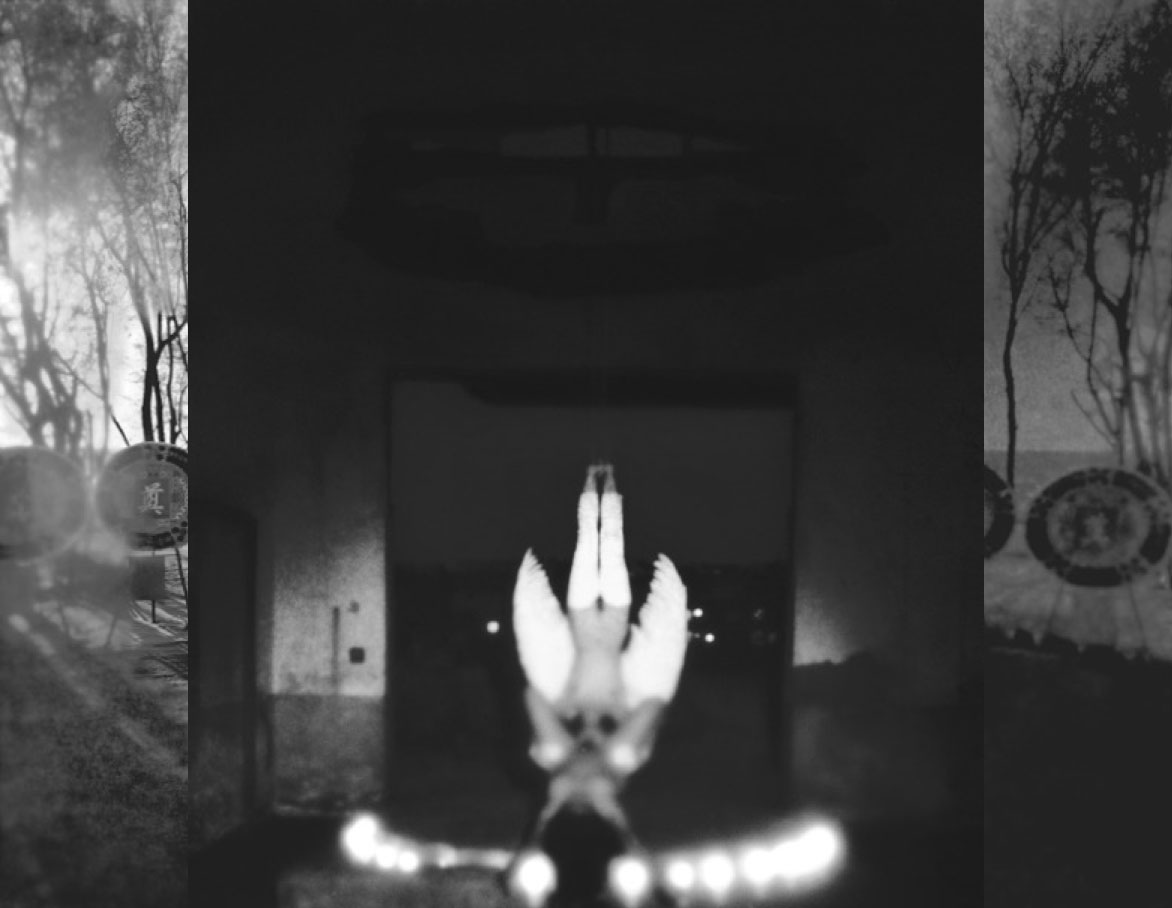
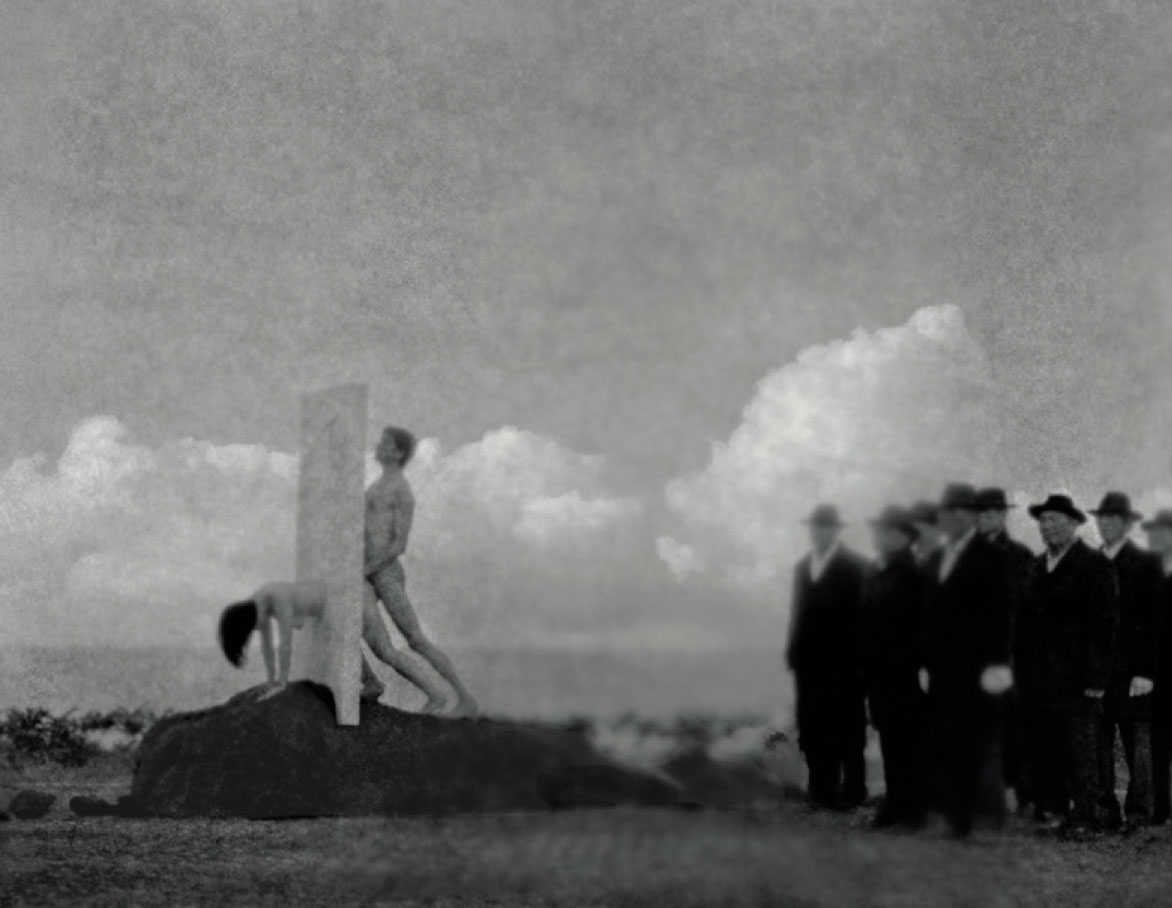
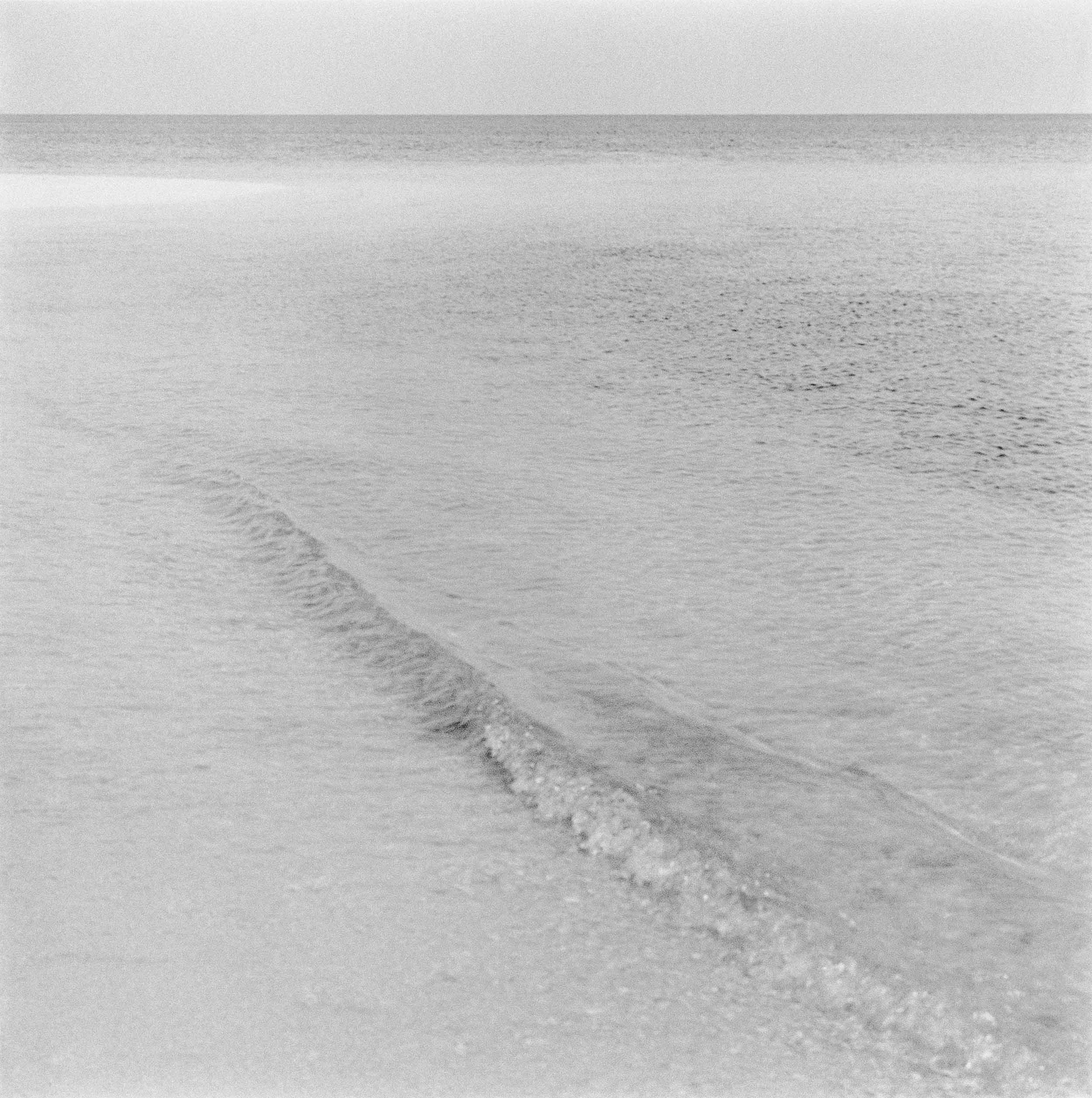
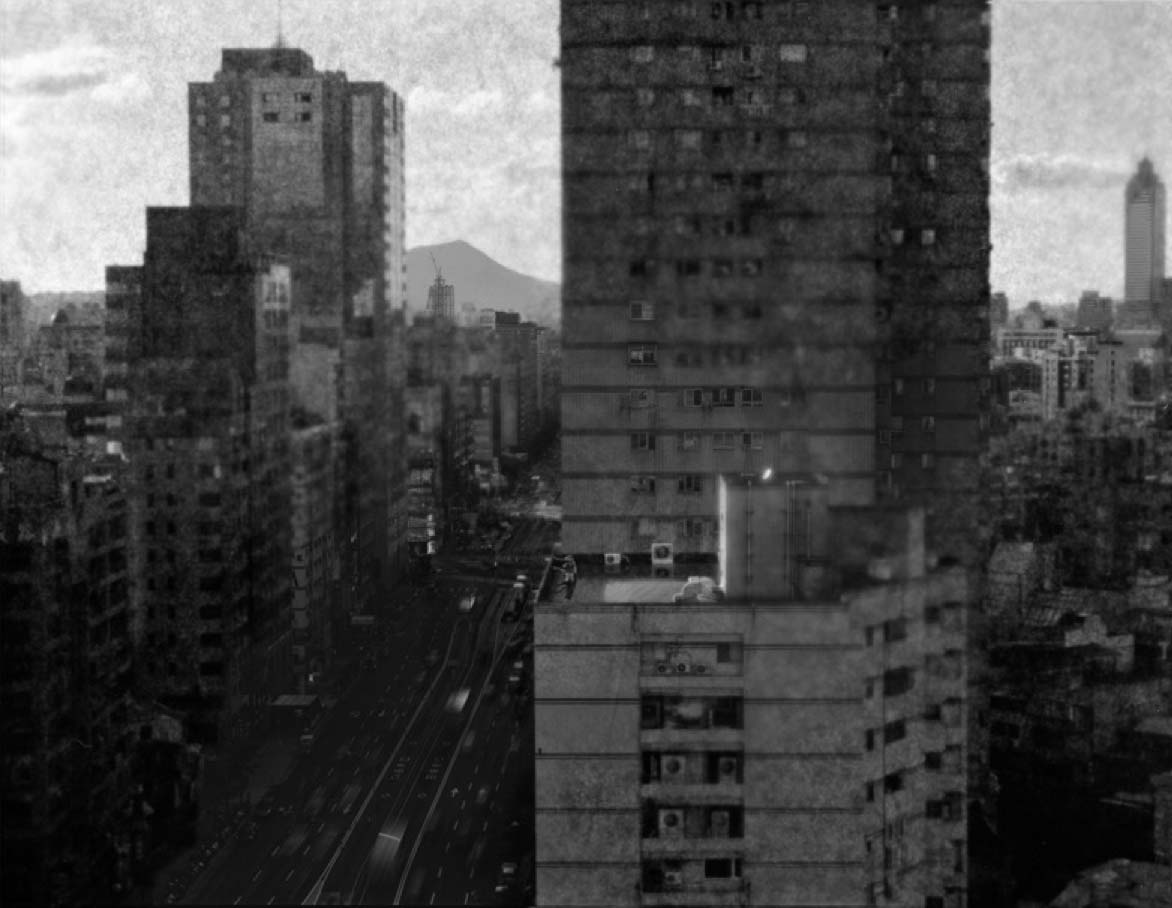
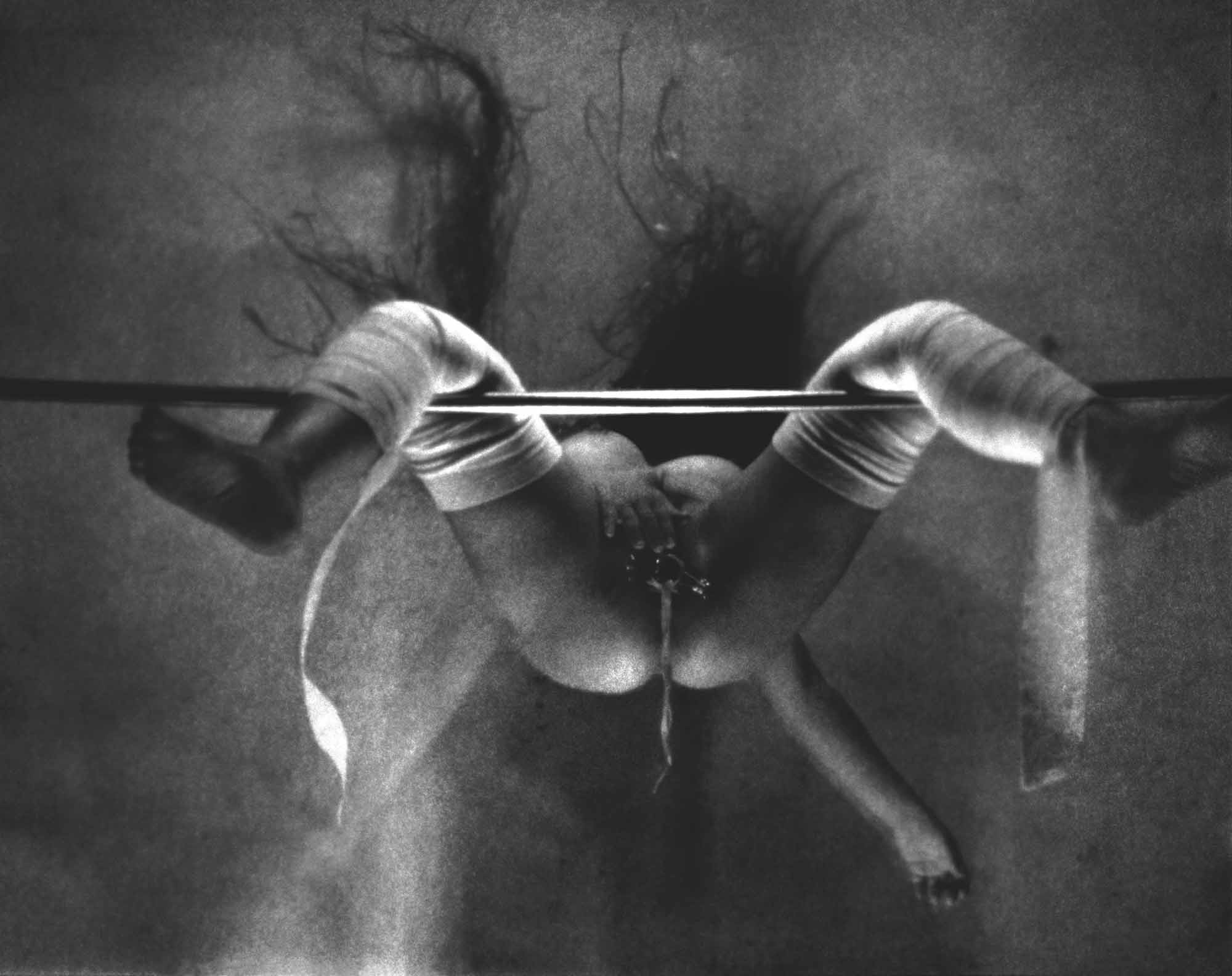
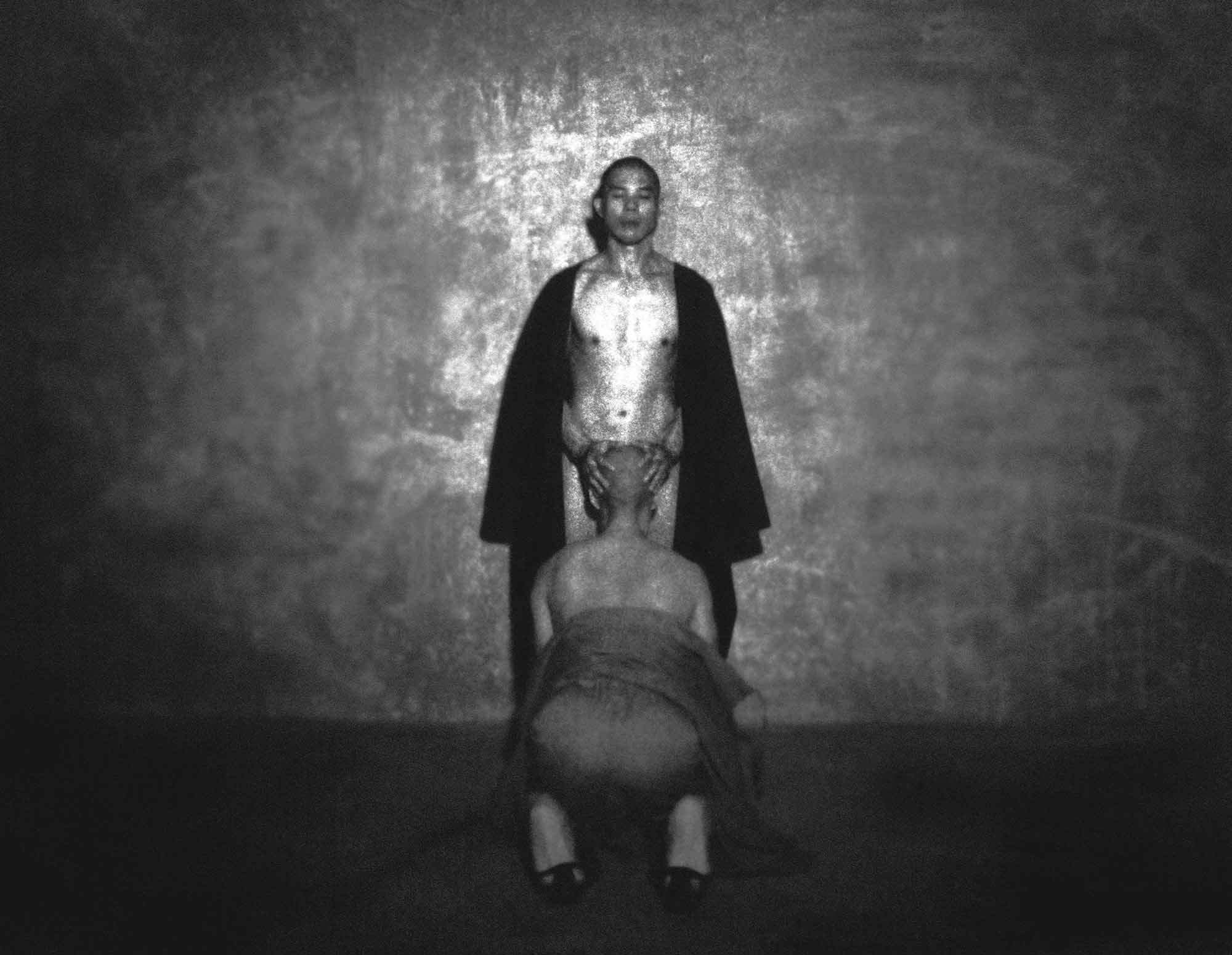
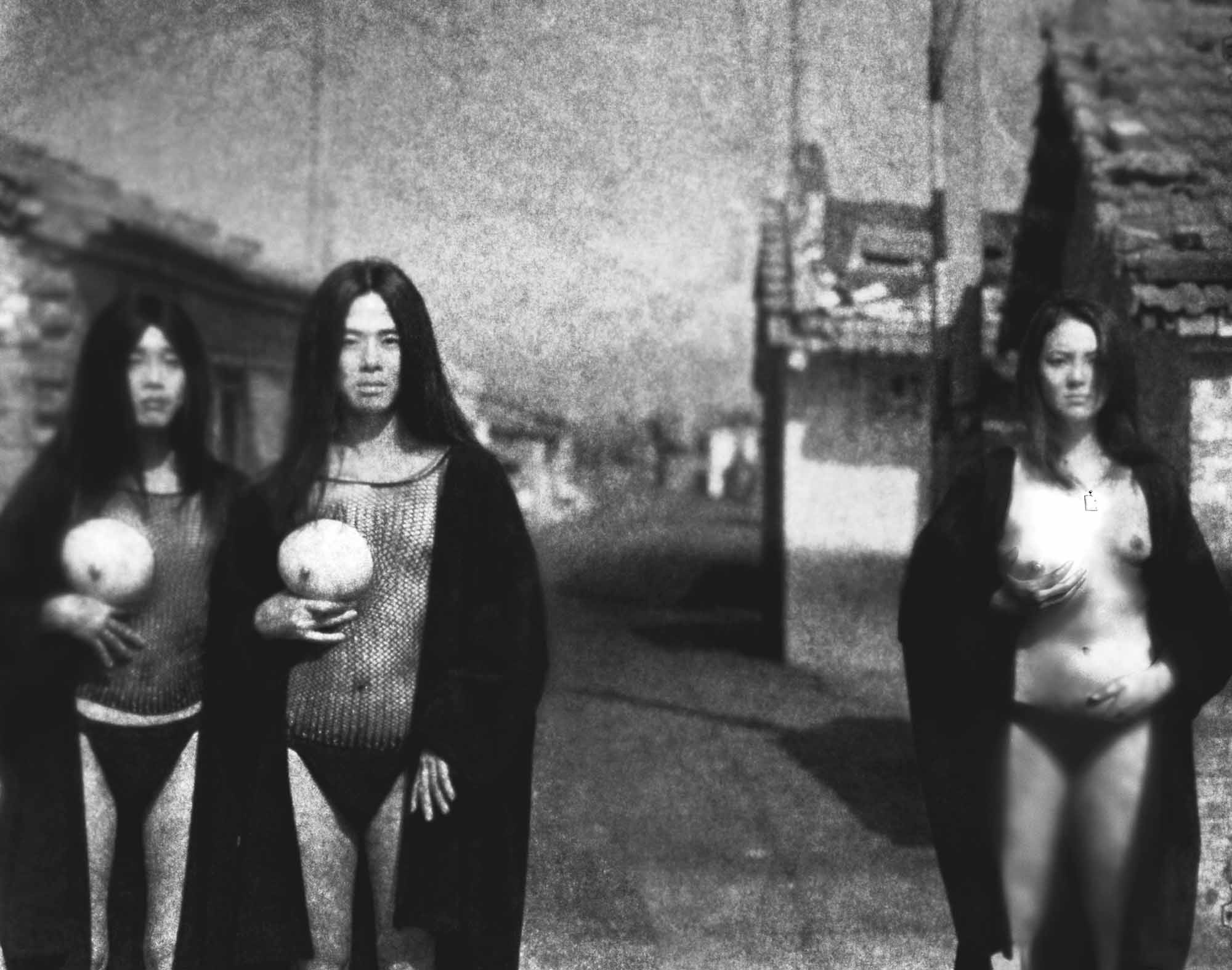
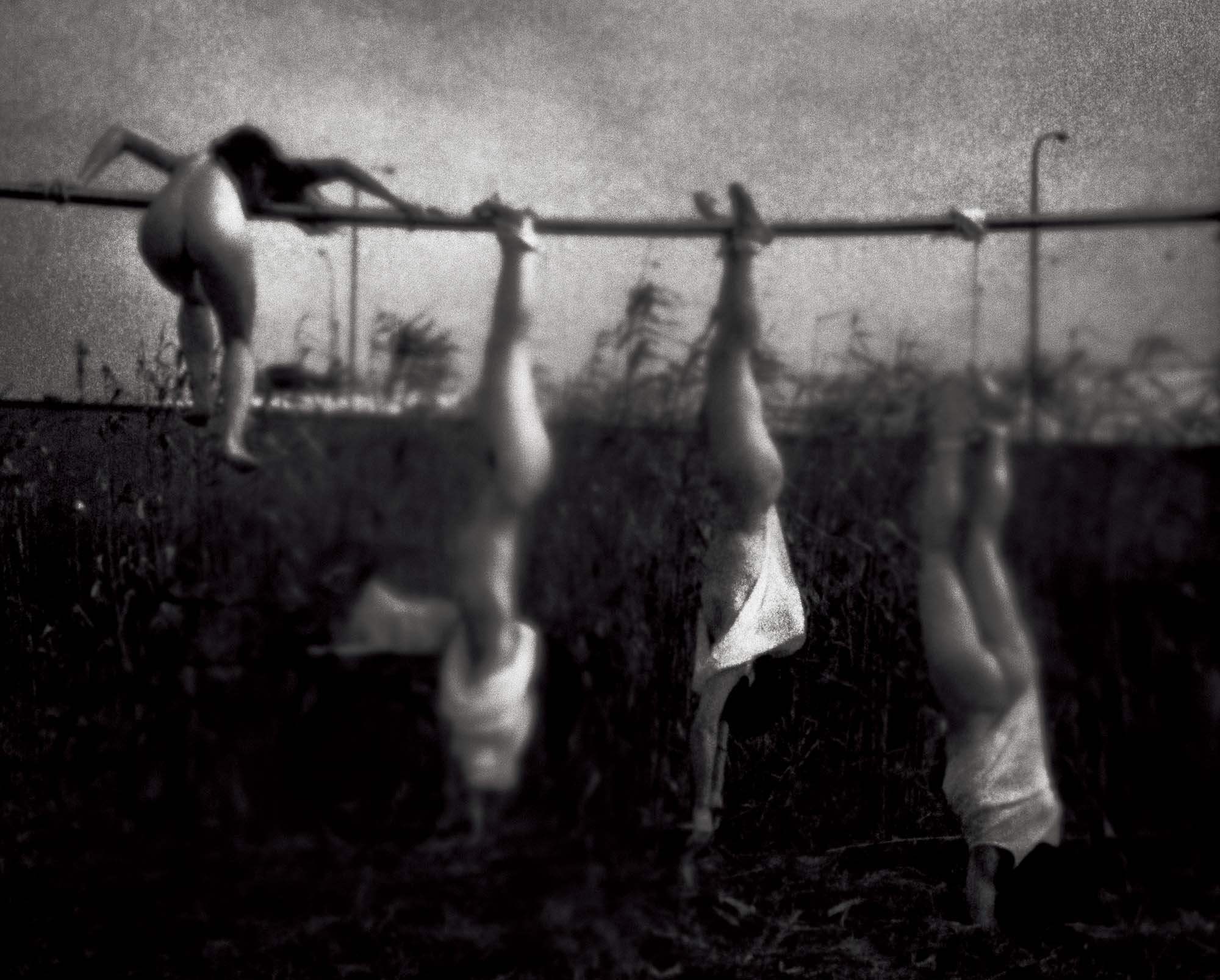
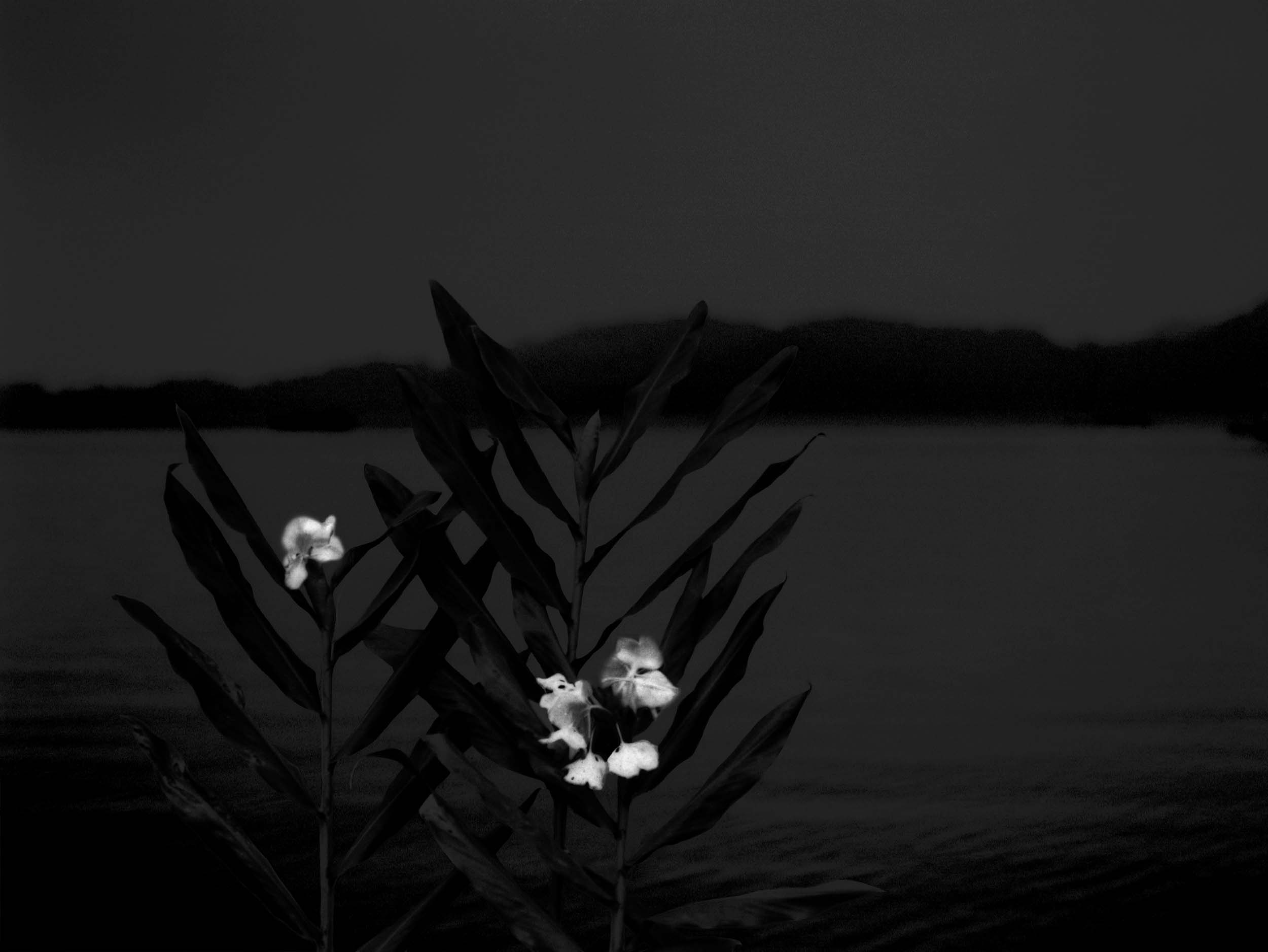
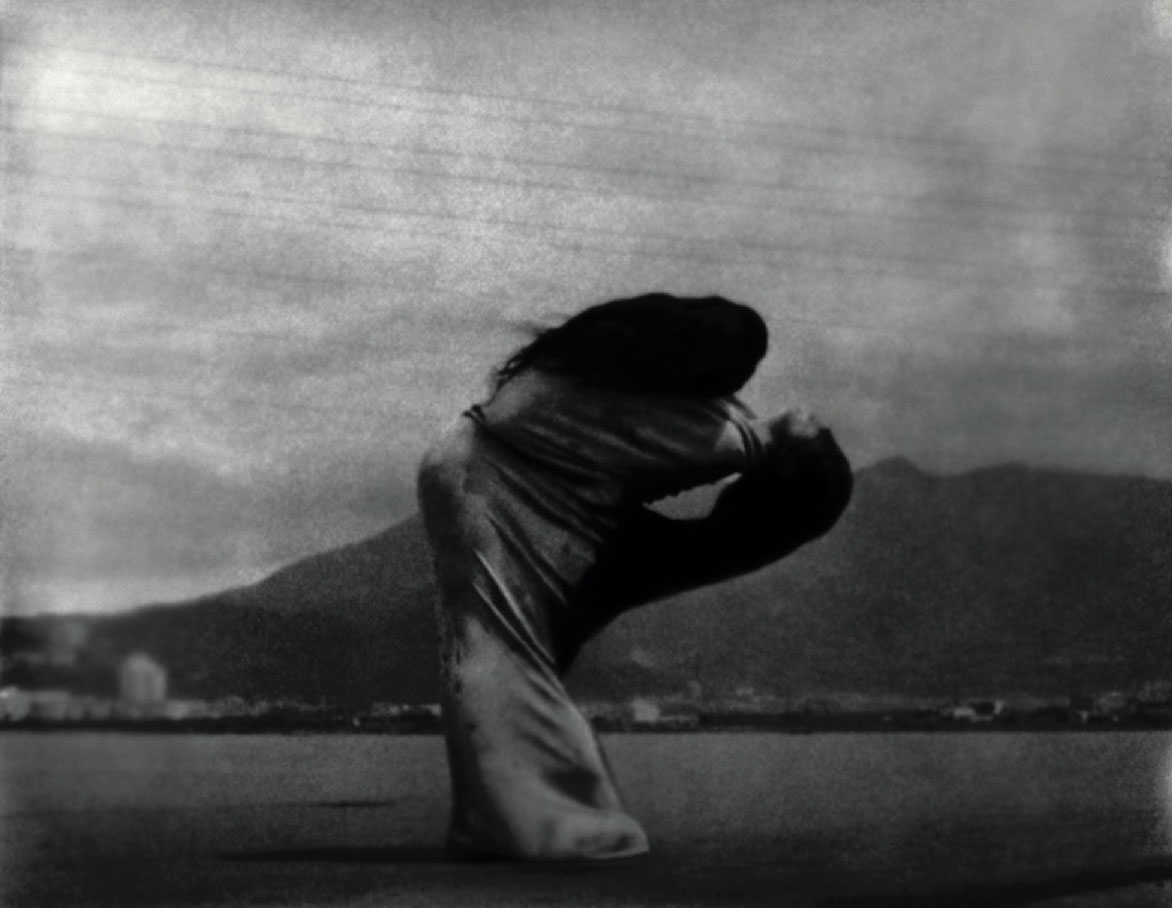
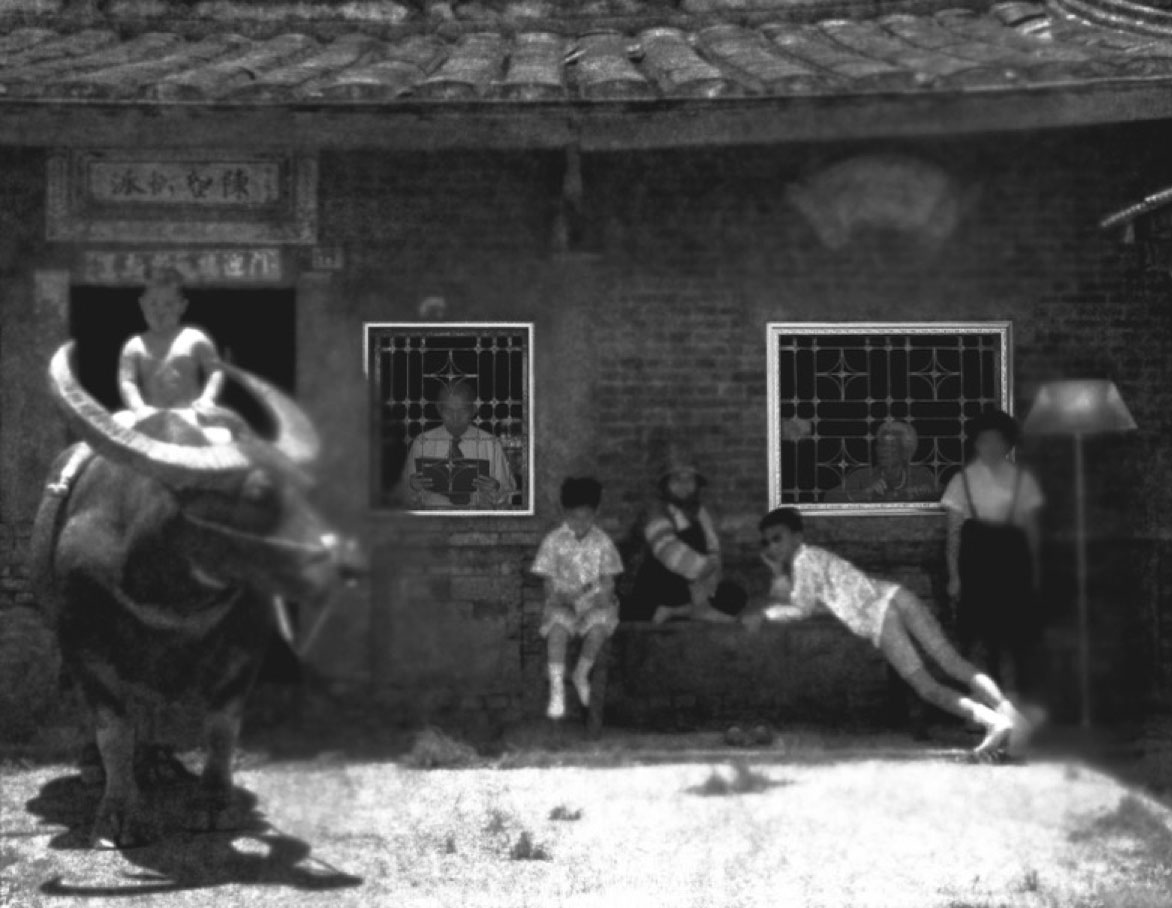
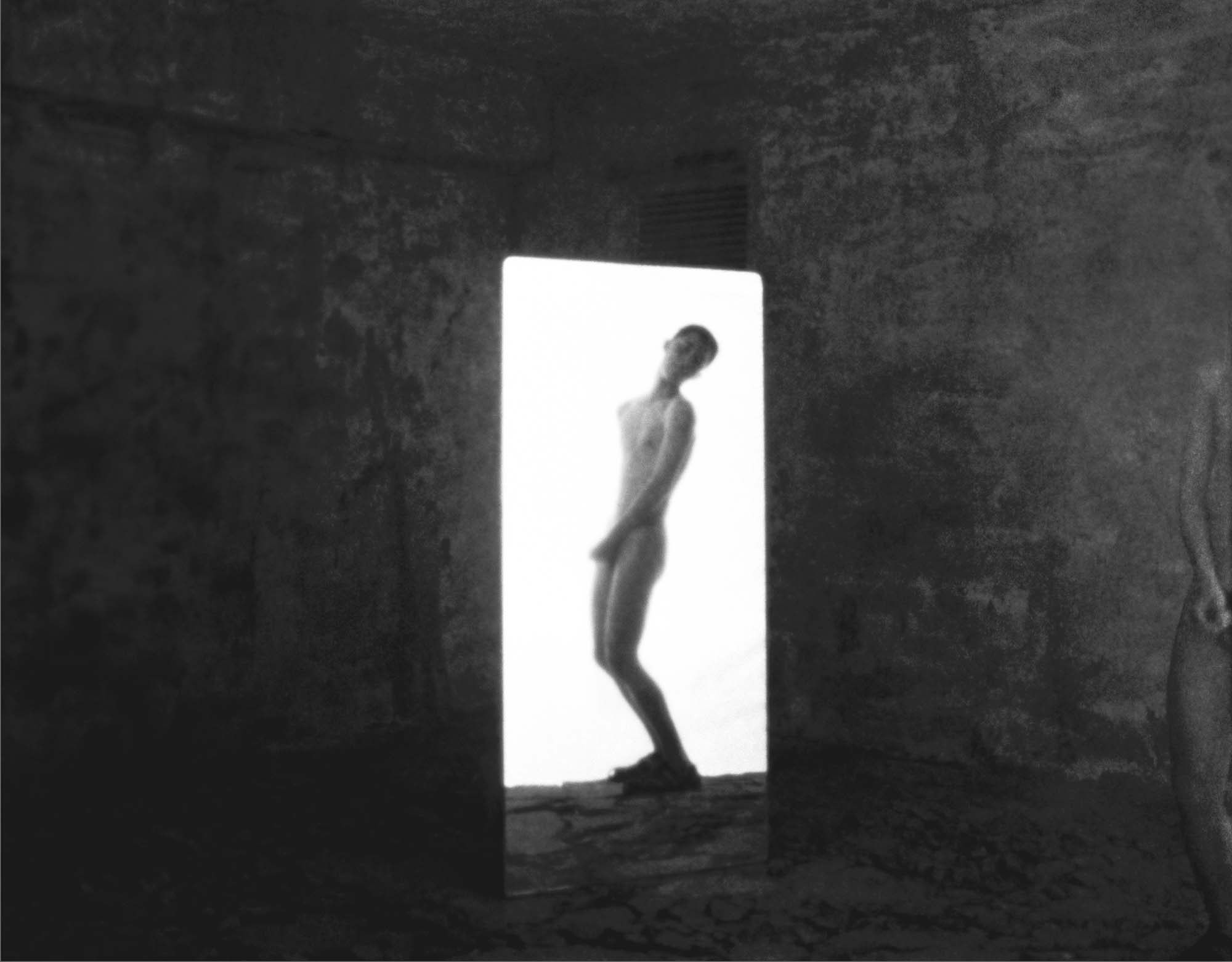
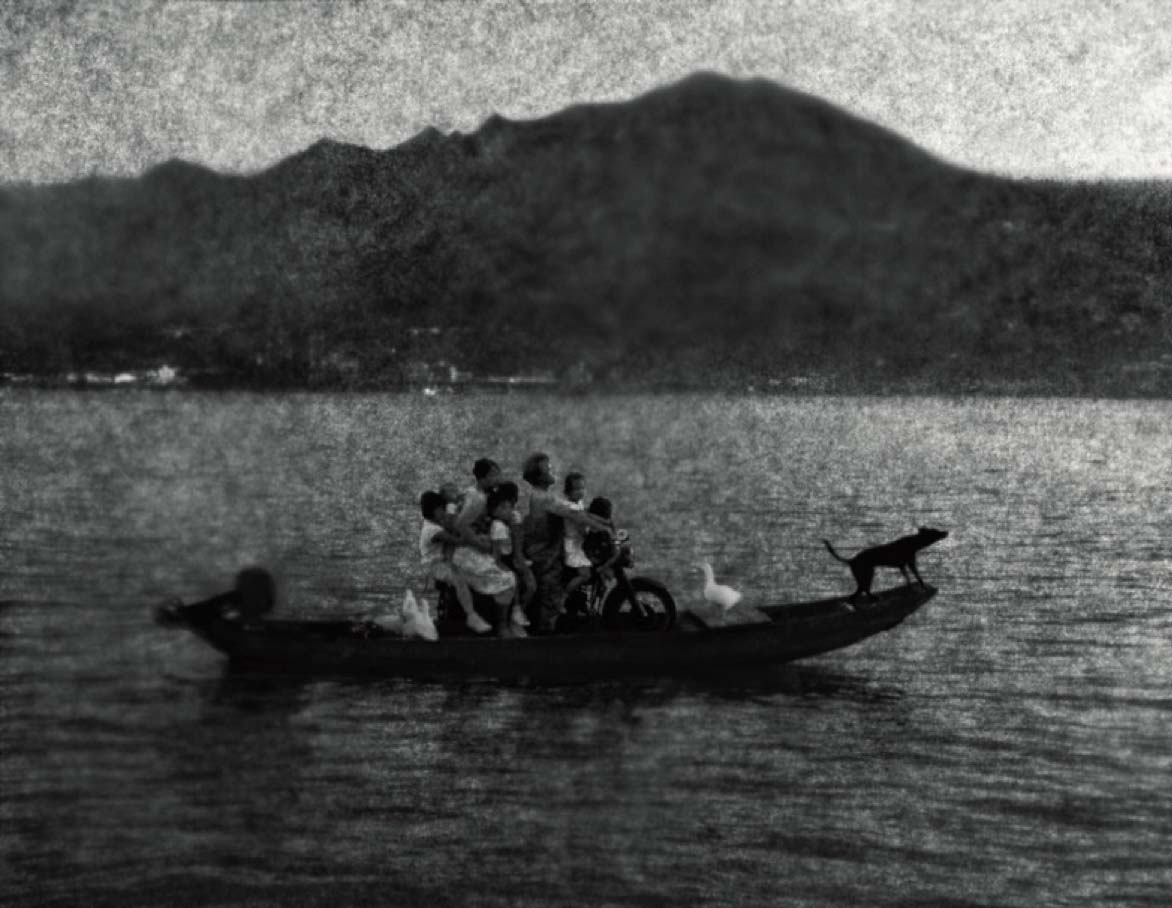
Surrounding the performance are dark black-and-white photographs taken over a fifteen-year span in a suburb of Taipei undergoing intense urbanization. These images braid together the elements of the narrative: food, sacrifice, blood, sex, and death. Some photomontages, drawing on the sadomasochistic fantasies of Japanese eroticism, are hard to bear.
Dominique Païni sees in Hsieh—an artist he describes as “extraordinarily cultivated”—references that extend beyond Japan to include Goya’s black prints and the dark fascinations of Georges Bataille, particularly his unsettling obsession with unbearable images of female martyrdom in Chinese history.
One does not walk away from this untouched.
2011 Venice Biennale “The Banquet of Hsieh”
Curator
Dominique Païni
(Critic, Professor at the Collège de France, Former Director of the Cinémathèque Française, Former Deputy Director of the Centre Pompidou)